Episode 12
Why leadership means NOT HAVING all the answers
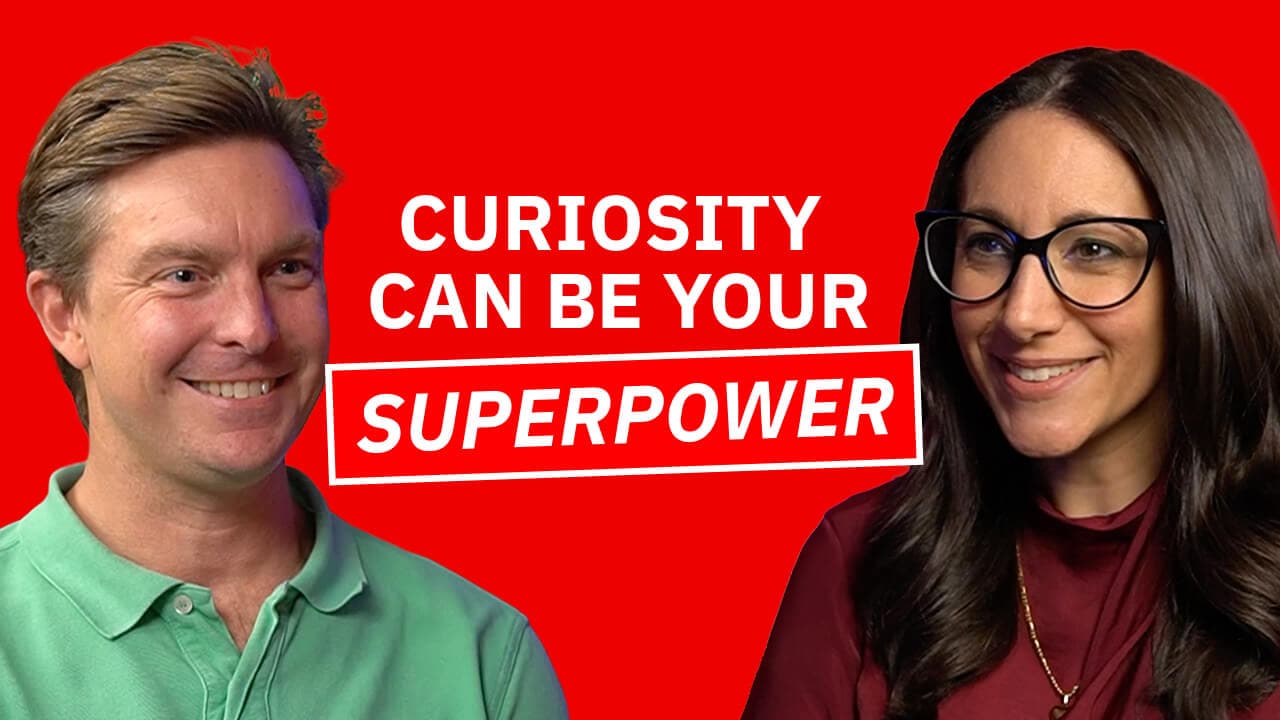
The way we work is changing rapidly. This conversation with James Hutchins, Associate General Counsel at Meta, perfectly reflects the exciting nature of the transformation.
Throughout, James elaborates on what it means to be a leading legal voice inside a forward-thinking, high-performance technology company, solving some of the more sophisticated challenges a business can face today.
Global variations in regulatory and compliance considerations. Rapidly evolving shifts in technology. Collaboration over multiple geographies, time zones, and jurisdictions. Translating concepts and terminologies between sales, product, and operations teams.
The key message is clear: navigating this complexity means connecting with different disciplines, collaborating effectively, and finding ways to build long term rapport.
Throughout this episode, you’ll learn how legal teams can shift from being reactive advisors to proactive collaborators. You’ll hear about managing risk and progress and building cross-functional fluency. And, you’ll come away with new tools, improved questions, and an understanding of why ‘being too lawyer’ isn’t a good thing when working in-house.
Transcript
[00:00] Sarah: Welcome to this Multidisciplinary Life. My guest today is James Hutchins. He‘s currently associate General Counsel at Meta and has an extensive background as a technology focused lawyer working on some of the more challenging legal issues that humans and businesses are grappling with today. I first met James about eight years ago where we negotiated an agreement together, and I really enjoyed every aspect of the negotiation with him.
[00:24] His love for the commercial and business aspects of working in-house shone through, as did his love for working through complex concepts. A lot of his work involves being close to sales, product and technology teams. And with that comes a hefty dose of translating information, staying up to date with regulatory and compliance details, as well as providing legal advice internally.
[00:46] He mentioned to me that he last filled in a time sheet about a decade ago and has never looked back. Our conversation takes many tangents, but what I love most are the human aspects. We cover things like how to understand different disciplines you‘re working with and not at unnecessary jargon why being too lawyer isn‘t a good thing when working in house, and some useful techniques for communicating, influencing, and forming long relationships in multidisciplinary dynamics.
[01:13] All right, let‘s get into it and chat through this multidisciplinary life with James Huon.
[01:23] James, welcome. Hello.
[01:25] James: Hello.
[01:26] Sarah: I‘m so glad we are here having this conversation today.
[01:29] James: Yeah, me too. Thanks for having me.
[01:31] Sarah: So I have a lot of questions for you. We‘re probably gonna go off on some wonderful tangents along the way.
[01:37] James: Yeah, great.
[01:38] Sarah: My first question for you is, what brought you to the law?
[01:43] James: Okay. So I think it‘s probably an interesting question.
[01:45] Yeah, the law has always been in my thoughts. My dad was a lawyer.
[01:49] So it was always in the back of my mind. And then I think I probably resisted his advice never to get into the law. But not only to disappoint my dad, did I get into the law? I think I also really enjoyed.
[02:01] The challenge of communication and analysis that I thought the law would be.
[02:06] And I also saw law as a really good building block for understanding how the world works. You, you can better understand business and politics and how people interact with each other if you understand the law.
[02:17] And I think really on that, just I know I just mentioned an analysis, but like when I was at school, I really loved English. And just like that challenge of making words work for you and communicating clearly. And I know in English one of the subjects that I did was like analysis of like text.
[02:34] Okay. And so that would give you. A page worth of text and you would have to write on that for an hour and a half. What did you pick up in there? And what‘s the writer trying to do? And so I really love that kind of, that analysis aspect of the language. Yeah. And then I think from there it seemed natural to go and get into the law.
[02:50] Sarah: What was your favorite subject at law school?
[02:53] James: I loved crim. Yeah. Criminal law is stuck because that was real. It was, it was, and I had a really cool teacher as well. She come, she‘d have a cigarette out like in the middle of lectures and with the students. Yeah. She was really cool.
[03:05] I liked that to begin with. I think I really enjoyed contract law. I liked those subjects that were very orderly and methodical.
[03:11] More than equity. I equity and trust just drove me absolutely mad.
[03:16] Sarah: I didn‘t mind trusts because I drew a lot of diagrams.
[03:20] And so some of that made more sense the more I could draw. I think it was one of the few subjects in law that I did actually draw diagrams to make meaning of how things worked. Yeah. But yeah, as I did that, I was like, oh, trusts is. Learnable, it‘s doable. But crim was, yeah, CRI was one of my favorites as well.
[03:40] James: I‘ll have to come and get some advice from you on how trust actually worked. I got exactly 51 in trusts.
[03:45] Sarah: Oh wow. Just scraped through. And so you‘ve been practicing for a while now. Yeah. And I‘m conscious you‘ve moved through different roles in your career. But your current role seems particularly unique at Meta as Associate General Counsel.
[04:03] Can you talk me through a typical day? What does it look like in the work that you do?
[04:06] James: Yeah, sure. So I think probably best to start with what my role actually is, which is to help the sales team do their job. And their job is to help businesses use META‘S technologies. To benefit them on the platform.
[04:22] So that means working a lot with sales and making sure that I understand the problems that they‘re bringing to me, and then finding the right answers for them internally, whether it‘s within legal or the other sort of cross functions. We call ‘em xfn, but making sure that they get connected with the right information and then helping them to communicate externally.
[04:40] Back to those advertisers who use the platform.
[04:42] That‘s one aspect of the role. And I cover Asia Pacific, so anywhere from New Zealand through to India. And as you can imagine there, there‘s a bunch of different jurisdictions. So anywhere for. From, a country like Australia that has a really functioning democracy and a really orderly way of making laws to communist states in Vietnam and China where laws are made in secret and then just released and you just have to deal with them.
[05:08] So there‘s a lot of variety in, in, in that. And then with even within countries, there‘s a lot of. So we are, we‘re talking about advertising, so that brings up issues of online safety, privacy. Data security, international data transfers. So there‘s a bunch of issues even within countries that come across my desk every day.
[05:28] And then the other side that I support is developing new products, so new advertising products. And that‘s working with the product engineers policy people, privacy people, product managers, to develop this new technology as, as as it needs to be developed.
[05:42] Sarah: The types of businesses that you are typically engaging with as clients of meta, are they of a certain size or what, how does that, what does that look like? Yeah. Could it be anyone? What does that look like?
[05:55] James: Yeah. So there are millions of businesses that use meta and they range from these, sole traders who are selling cupcakes to, some of the very biggest companies that you can imagine in the world who rely really heavily on meta as a really important advertising channel.
[06:09] Typically the people that I support within the meta sales organization are managing those larger advertisers. Where they get more dedicated support from people who understand their business really well and help get inside the business problems that they‘re trying to solve on the platform, and then trying to recommend solutions for them that, that fit those needs.
[06:28] Sarah: And I guess the different business needs also throw up different regulatory questions that you often have to look at and deal with, and also regulatory changes in different countries and jurisdictions that you are looking at. How do you stay on top of that? Knowledge.
[06:45] James: Yeah that‘s a good question.
[06:47] And I think the answer is with a bit of help from my friends. As you can imagine, it‘s a big organization. There‘s a lot of lawyers and I think I‘m extremely fortunate to deal to, to deal every day with some excellent lawyers who are tracking these changes. We had a fascinating presentation from some of ‘em the other day.
[07:04] Who were talking about AI regulation. And the different paces that different countries are taking to regulation and different approaches. So you‘ve got the EU who‘s like heavily regulating ai. And I think a lot of countries are watching how that actually works. Because there‘s an argument that‘s not great for business and therefore it‘s not great for the individuals that those regulators are seeking to protect. Whereas you‘ve got countries who are committed to being completely hands off with AI regulation and to help me understand where things are heading, I rely a lot on those legal and policy experts who can distill all that information and say.
[07:39] This is where it‘s heading, so that I can then take that on board and say and I can tell my client this much about what‘s going on, rather than giving them the full like nerdy explanation Yeah. Of the Brussels effect and like what?
[07:53] Sarah: What that means. Yeah. Yeah.
[07:55] James: I can say for you, in India, this means X.
[07:58] Yeah. So it helps to get really pointy with the advice really quickly.
[08:02] Sarah: Yeah, absolutely.
[08:03] And around the new product development, ‘cause that sounded like it was very much a multidisciplinary approach and perspective in how things come together. All those different roles that you mentioned, are they all internal?
[08:17] At Meta. So you, are you working with kind of those different specialists to think about how do new products come about? How are they communicated to clients? What does that look like for you?
[08:27] James: Yeah. It‘s a fascinating process. Often it‘s people are inspired by things that they‘re observing outside of Meta, and they see if it‘s something that meta could do, or sometimes it‘s an idea that‘s created by someone at Meta and they develop it.
[08:41] The process that. Is taken to actually work out what things to develop and what things to test is really interesting. And often there‘s a bunch of different metrics that they will use to try and prove their business case for getting the engineering support to get their projects up. And then once, once it‘s ready to be developed and then go through all of those approval processes that it needs to, that‘s when it gets really interesting because they have to engage with.
[09:06] Product leadership with legal leadership with policy leadership to make sure that everybody‘s aligned before we move forward on a, like a minimum product.
[09:15] And then the testing process how long is that? Where do we, in which markets do we test? And then what are those metrics that we use to then decide.
[09:23] Whether the product goes forward and turns into general availability.
[09:27] Sarah: Yep. And in terms of extracting knowledge and expertise out of people with different expertise to you how does that work for you? How do you do, because I‘m conscious you‘ve Meta isn‘t the only place where you‘ve had this role of working with different disciplines throughout your career and.
[09:48] I‘m really interested to know how you‘ve built those skills over time. To really connect with and talk to people in different disciplines and bring ideas together. That help obviously you form the advice and get your part of the job done, but also bring people together so that.
[10:07] Conversation is really open. What, how have you what‘s that been like?
[10:11] James: Yeah, I think I, I think historically, so I moved from a large firm in a litigation, commercial litigation then to a smaller firm, which was a sort of a boutique firm that, that served a lot of small businesses across a lot of industries.
[10:25] And I think that was real, really where I cut my teeth of having to understand new businesses every day and go in with a lot of naivety and ask those questions that were not necessarily silly questions, but quite uninformed.
[10:38] And I think there, I developed the ability the confidence to say i‘m using my sort of ignorance as power in a way Yeah. To actually be vulnerable and ask those initial questions. Because when you do that they begin to learn how little, and it then touch, turns them into a bit of a teacher.
[10:55] And they work out, what it is that they need to do to skill you up.
[10:58] To be able to give advice. So I think that was a really good grounding where, you go in you‘re supposed to be the expert in the room, and you actually go in you actually come out of the room, the student.
[11:08] And I think, yeah that, that was a really good grounding for this experience that, that I‘m having right now, which is you‘ve got these experts who know stuff incredibly well.
[11:18] And come from different backgrounds. Like you consider, there‘s an engineer over here and a marketer over there, and a salesperson over there. You‘ve got a lot of very different personality types. Yeah. And they‘ve all got like incredible expertise as well. And so you‘re trying to draw together what it is that they‘re that they‘re trying to get out of this particular project.
[11:36] And then I think as a lawyer, you often are trying to align those goals, those personal goals that people bring.
[11:42] Sarah: Yep. It‘s such a fascinating dynamic, having engineers, marketers, salespeople in the room with legal counsel as well. Are there particular strategies or questions that you‘ve picked up along the way that you think that is always a good thing to do?
[12:01] That is something I often lead with or. I definitely don‘t try that again. That was an epic failure.
[12:09] James: Yeah, there‘s been plenty of those. No I think one, one technique that I often use, which is partly for my own learning, but also I think it‘s a good process for the stakeholder that you‘re speaking to, is to play back what they have just told you.
[12:25] Because I think. Often when they, when you play it back to them, they‘ll realize that there‘s an important piece that they‘ve missed out.
[12:33] Or that they haven‘t necessarily emphasized something as much as they should have.
[12:38] And it also helps with the process of getting it into my head, i‘m sure we‘ve all been at the lecture theater where we thought we knew it the moment we walked outta the room. And then once, once you hop in the car to go home, then it all flies outta your head.
[12:51] Sarah: Yeah.
[12:52] James: So playing it back and just making sure that it lands in your head, I think is a really good way to learn these new disciplines that people are teaching you.
[13:00] Sarah: It‘s interesting that playback piece ‘cause it‘s also, it‘s really brave to play your understanding back to someone. ‘cause you are, you‘re putting yourself. Out there to say this is how I‘m hearing it. And it does, you‘re right. It gives the opportunity to, for the other person to correct.
[13:17] But also to teach and say actually no, I‘ve, you‘ve missed that bit. Or I didn‘t actually tell you this bit. Or this, there‘s this whole all other section that I‘ve completely missed. Yeah. And it really it also helps them understand what labels you are using. Yeah. Or attaching meaning to that maybe.
[13:36] You‘ve heard or not heard. And so there‘s this meeting in the middle of terminology and language and connection around that.
[13:43] James: But you‘re right, I think you‘re right that there is some vulnerability in that. And I think perhaps you don‘t want to do that early on in your career. Or even early on in a role because you want to justify.
[13:56] You are higher. You want people to believe that you‘ve been put into this role ‘cause you are able to do it.
[14:02] And I think there, yeah, th there is some vulnerability and that it does take confidence to ask those questions and to be in the room and be vulnerable. But it certainly pays dividends and it also, I think, to not do that.
[14:16] And to make assumptions and proceed is to risk running in parallel paths and never actually connecting on the issue.
[14:24] Sarah: Yeah.
[14:25] James: If you consider those, the old wooden railway sets that you would have and there was like one that the triangle piece that would actually merge the two tracks, then you‘re Yeah.
[14:33] I think people who want to appear as though they understand the issues and that they‘re ahead of it and they‘ve got all of the answers. Can really risk not connecting with the actual problem that they‘re trying to solve.
[14:44] Sarah: Yep.
[14:44] James: And that becomes very difficult to disentangle when you get to the pointy end of a project.
[14:49] And that obvious question hasn‘t been asked or the assumption is debunked.
[14:53] Sarah: And then you realize so late and you do have to walk backwards in order to. Fix what the outcome may need to be as well.
[15:04] James: Yeah. Yep. And that in leadership. When you escalate something for final approval to the CFO, the CEO to your head of department, they‘ll ask really simple questions at that point.
[15:17] And so often it‘s a question that hasn‘t been asked before. And that‘s. That‘s really hard to explain.
[15:24] Sarah: Yeah.
[15:24] James: If you haven‘t, if you haven‘t built that foundation, that gets you to the, that, that final approval moment.
[15:31] Sarah: Yeah. It‘s an interesting point you make. ‘cause so much of that work can also be preempted.
[15:39] If you‘re thinking about what does this leader need to see? What are they likely to ask? How can we ensure we answer those questions that. We gen, we know they‘re gonna ask. And that you‘ve built up that rapport and that trust to be able to anticipate this is what it‘s gonna look like as we get to final approval.
[15:59] Yeah. And there‘s work in that. There‘s, it takes time and effort to establish those relationships and Yeah. Know that from the start.
[16:07] James: Yeah. And I think if you do find yourself in a situation where you‘ve gotta go back to your client or stakeholder with a fairly basic question. At the end.
[16:17] You‘re in a much better position to do that if you‘ve had a dialogue.
[16:21] Sarah: Yeah.
[16:21] James: On the way through. Yeah. Rather than a very one dimensional, this is the way we‘re gonna be doing things. I don‘t really need much more information from you. I‘ve got all of the answers. It‘s really hard to sell a question.
[16:34] Sarah: Yeah.
[16:35] James: If that has been the way you‘ve engaged.
[16:36] Sarah: Question for you, if you knew someone was going to be starting in a similar role to the type of work that you‘re doing, and they were starting in a couple of months time and you had an opportunity to give them a few pointers on what to do and what to avoid, what would you suggest?
[16:57] James: I would. Be guiding them to learn as much as possible for as long as possible.
[17:04] I think particularly where I work at the moment is a really long. Period where you‘re trying to get used to what your actual role is.
[17:12] And I think people who leap too quickly into knowing what it is and projecting that they do is other people who have a bit more trouble.
[17:20] I think, yeah. So just going in with humility and a real listening approach for as long as possible. But then I think the other advice I would give them is make sure that you‘re always suggesting solutions.
[17:31] The one thing that I see very often with lawyers is they‘ll ask questions or they‘ll say that is a risk.
[17:39] Or have you thought about this? And that‘s not necessarily very helpful to the client.
[17:45] A lot of the time. I think what they want is. Look, that is a risk, but here are some options. Yeah. For solving that. Yeah. And so I think being solutions focused is a really important and constructive part of being an advisor.
[18:01] I think it‘s not just about spotting risks for people, but helping them to navigate them.
[18:05] And so my advice to someone starting out would be, make sure you‘ve always got in your mind‘s eye. Potential solution for the person you‘re trying to help?
[18:13] Sarah: Yeah, it‘s rare that you can ever remove risk.
[18:15] It‘s very much where does it sit on the spectrum? And also where does it sit in the risk matrix for the organization? Yeah, like what is the appetite of risk for that particular organization that you‘re working in, and how do you respond to that? As well. Yeah. There‘s a lot to, yeah, there‘s a lot to take in with that of, and as you say, have solutions in mind so that you‘re not the person saying this is a risk.
[18:40] James: Yeah. Look, you could take the high risk thing like you, you can take that option. But here‘s how you would do that.
[18:46] Sarah: Yeah.
[18:47] James: And here‘s how you would manage. What you can manage.
[18:50] Sarah: Yeah.
[18:50] James: Or if you wanna just, if you want to completely minimize risk to the extent possible go over it and do these things.
[18:57] But at least give them informed decisions about that. Rather than just say there‘s a risk over there. And then, because what happens is they will go and find the solution.
[19:06] Sarah: Yeah.
[19:07] James: They‘ll see, they‘ll try to design the solution.
[19:09] Sarah: Yeah.
[19:09] James: And they‘ll come back to you later with advice on the proposed solution and you‘ve lost time.
[19:15] Sarah: Yeah.
[19:16] James: In that, I think co-designing solutions is a really big value add.
[19:20] Sarah: I‘m gonna jump a little bit to parts of your career where you have really focused in on working within technology businesses or businesses that have focused on technology products or digital products and the delivery of those and.
[19:37] I think it‘s really interesting where you‘ve been a lawyer in these organizations, and I often wonder, does it influence or impact your relationship with risk and how you practice law in those environments? Because technology moves at a very different pace to the law. And attitudes about technology are very different to attitudes within the law.
[20:05] Does it help hinder influence? What‘s that experience been like for you?
[20:11] James: Yeah I think I‘d probably answer that in two ways. When we‘re talking about a situation where two parties are coming together on developing technology and there‘s a contractual relationship there. The parties are gonna want to think really carefully about what could go wrong and that‘s the perfect place for contractual negotiations.
[20:31] It‘s an allocation of risk, and so I think that works really well when you‘ve got. Two parties and their lawyers thinking really carefully about what could go wrong and what do we do about it. Like not in a, not in an antagonistic way, but in a spirit of partnership. So let‘s define what the risks are and see how we deal with them if and when they materialize.
[20:53] That‘s on the sort of the partnership aspect of this. But then there‘s a situation where the regulation is. Not yet here.
[21:03] Or it doesn‘t necessarily map to the thing that a single company or a partnership wants to build True. And then that becomes really difficult because if we don‘t know what the law is, then lawyers find it hard to advise on what the level of risk is.
[21:19] And so I think that‘s where we move into a situation where lawyers are using legal skills and legal thinking. But to del to deliver what is essentially common sense advice or business business focused advice.
[21:33] Rather than what would purely be considered legal advice.
[21:36] And I think lawyers can be useful there.
[21:38] I think we, we need to be clear that is not legal advice when you are asked to advise on a risk that is not a legal risk. But I think it‘s a really good place for lawyers. To be utilized because they have those critical thinking skills and they can understand how to think about risk how to size, risk and help their client think through what the possibilities are and how to deal with those possibilities when they arise.
[22:02] Sarah: Yeah. And there‘s a responsibility there as well, isn‘t there, because you are thinking, and especially in advertising, you are thinking about obviously. Your client being in house, but the agency‘s clients. And their, the client‘s audiences. And it can all have a ripple effect of how things are built and delivered and tracked and monitored.
[22:29] Yeah. And that no doubt influences. The legal context that you are operating in and thinking about day to day in, in that type of work as well?
[22:40] James: Yeah, absolutely. And I think so often reputational issues and commercial considerations are just as important. You often refer to those really heavily when you are giving advice.
[22:53] And I think that‘s the, that, that‘s what I enjoy a lot about being an in-house lawyer is you are counseling the business. Your job is to provide legal advice, but you‘re also in the room when those discussions are being had that, that are to do with the company‘s reputation or with its commercial strategy.
[23:08] And so yes, there is a legal element to those things but it‘s also very much. A, a circle of considerations that need to be brought into the one discussion.
[23:19] Sarah: Have you ever found yourself going down a legal rabbit hole and thinking. Oh, I‘m being too lawyer right now. I‘m not being as pragmatic or commercial as I should be.
[23:33] How do you catch yourself in those moments?
[23:36] James: Yeah. I have an example of actually being caught.
[23:38] Sarah: Oh, really?
[23:39] James: Yeah. Yeah. So I was helping I was helping someone in marketing who wanted to say the most attention grabbing thing that they could about the company that I was working for.
[23:49] Sarah: Yeah.
[23:49] James: And this and this person was whip smart.
[23:52] She she understood I think really well, the legal issue that I was counseling on, and I was saying to her, I wouldn‘t want you to say it in that way. I would like you to say it in that way.
[24:04] And that obviously wasn‘t ticking boxes on the marketing front.
[24:08] Sarah: Yep.
[24:09] James: But she really pushed me and she was, and she said, James, why isn‘t that What the difference.
[24:14] To me, between what you are saying doesn‘t work and what you‘re saying does work is really hard for me to understand.
[24:20] And I had to work really hard to make that distinction to her.
[24:23] And I‘m not sure if I actually succeeded, but it was a very good example of where, you do you act on gut a lot and you and you act on your analysis of what‘s gone before.
[24:33] But there is some subjectivity in there and I love working with those clients who challenge you.
[24:37] Because they get better advice out of you. Yeah, absolutely. Yeah. You do wind yourself back. From being too risk averse. It, it is a great process and I think anyone who is a client working with legal should always feel empowered to test their lawyers.
[24:51] I think a lot of lawyers are gonna hate that but I think it‘s where to end your trust, you should really be able to stand behind the advice. Yeah. We have a concept in the role that I‘m in at the moment, which is all about durable legal advice. Durable legal advice.
[25:06] Durable. Yeah. So you can, it needs to be tested. Yeah. It needs to stand up to being tested.
[25:11] And if it is too conservative that‘s a problem.
[25:14] Sarah: Yeah.
[25:15] James: If your role is to support a business that seeks to grow it needs to be able to stand up.
[25:19] Sarah: Yeah. It also sounds like you. Have to really hone your skills in being able to explain that advice to different people with different levels of understanding.
[25:31] Because if you are explaining your advice to, for example, a board or a CEO, there‘s certain language that you can use that they should understand or they would understand or be likely to understand. But if you are, as you said, working with a marketing manager who really operates. In a particular lens and is very focused on certain types of marketing language and frameworks.
[25:57] Your communication of the same piece of advice would probably need to change, and some of the labels even might need to change as well because of that different audience.
[26:08] James: Absolutely and I think one of the hard things about being the lawyer in the middle is that you have. People come to you with their own languages.
[26:15] So you have the engineers come in and they‘ll tell you all about, API parameters, and all of these kinds of things. You have to go away and learn them or, use that the power of ignorance to tease out what those things are. And then you marketers will come in with like, all sorts of CPMs and like all of these acronyms that you have to learn.
[26:33] So you‘ve already got two languages in the room. And I think as a good lawyer, what you shouldn‘t be doing is introducing a third language, which is the legal language.
[26:41] Sarah: Yep.
[26:41] James: Coming up with terms like privity and, like we just talked about trust. Like you could, yeah. You could use a lot of very confusing words about trust.
[26:49] Sarah: Yeah.
[26:49] James: If you wanted to, but you should not do that. You you need to be able to mediate between the different stakeholders in the room, I think. To be a good lawyer.
[26:56] And I think. You need to use to your point, the language that‘s appropriate. So if youre, if you‘re working with the board, there‘s probably a level of sophistication, but there‘s also, they‘re not in the weeds of the particular project.
[27:08] So you need to when you‘re presenting your advice to let, to level up to where they‘re at, where their level of knowledge is. And the language that they speak. I think language is an incredibly important thing. And going back to like why I was attracted to law, it‘s that language is playing with languages, language and making it work in whatever context you need to.
[27:28] Sarah: I was just thinking about that reason why you enjoyed law school so much was that power of language and command of the English language and words and being able to dance around. What those words mean and how to put them together in order to influence someone is really interesting when you‘re talking about bringing in different disciplines who do have their own language and you need to make sense and meaning and create this common language and this common meaning and not bamboozle people with words that.
[28:02] Can make you sound very intelligent and smart. But they don‘t know what they are. They don‘t know what they mean.
[28:09] James: Yeah. And I think there‘s a technique as well, which is incredibly powerful in if you‘re trying to explain something some way and you‘re getting signal that‘s not resonating with the audience.
[28:20] Then having the ability to pivot and try and explain the same concept in a different way.
[28:24] Use, use a different analogy or or encourage the person you‘re trying to convince to put the hat on of some other stakeholder in the room. And then get them to see it that way. I think there‘s, I think that‘s a great skill to have, is to be able to not just be bound by one way of explaining something, to, to move around, dance around and see if you can find other ways in to their understanding.
[28:48] Sarah: Yeah, that‘s a very sophisticated approach and mature approach as well to be able to explain one concept multiple ways. And in different colors almost so that your audience can understand it no matter what their discipline might be.
[29:06] James: Yeah.
[29:06] Sarah: Or background.
[29:07] James: Yeah. And it might not always be.
[29:09] You giving that alternate explanation. You might find that if you‘re in a discussion with several people and you‘re not getting through, maybe you ask Sarah to explain it from her perspective. What the solution could be.
[29:20] Sarah: How do you learn that? Do you, is it trial and error, or is it. Are there techniques you‘ve read where you‘re like, oh, yeah, that‘s a good one.
[29:29] Did you watch someone who did it really well?
[29:32] James: Yeah. No, that‘s, so what I was actually thinking of when I gave that example of finding different ways to explain things. I remember watching a, an interview with a politician with my dad and the interviewer was asking a question that he didn‘t like and he was being given a really standard answer.
[29:49] And so the interviewer very cleverly asked the same thing, but in a different way and got the politician to answer the question that he wanted answered.
[29:57] Sarah: Yeah.
[29:58] James: And dad was like, did you see that? Did you see what he did? He like he found another way to elicit the right information.
[30:04] Sarah: Yeah.
[30:04] James: In exactly that same moment. And I think that, yeah, that, that was very instructive. And I think it‘s something that, I like to try and do. And it‘s not always available either. Like sometimes people will, you‘ll be trying to explain something to, to them and they intentionally do not wanna understand.
[30:21] And if you met with that situation, there‘s not a lot you can do that‘s hard. Other than defer the conversation and try another tack.
[30:29] Sarah: Yeah. There‘s there‘s a coaching technique around labeling that is really nice in somewhat uncomfortable situations where you‘re like, this person just does not wanna do this thing.
[30:43] And being able to hold it lightly and just say, it seems like this is going on, or that labeling piece also just made me think of holding your questions lightly, so not being so attached to. The way you‘ve asked it the first time and not getting the answer that you anticipate or want, but holding the question lightly that you can ask it a different way.
[31:06] You can change the words and you‘re not so attached to this is the question that I need to ask, but think about There‘s a different way to ask this.
[31:15] James: Yeah. And I think let their conversation go where it needs to. I‘m thinking about a situation where. Someone says, look, this is the project.
[31:23] This is the thing that we want to achieve. Here‘s a background document. You read it and you‘ve done your meeting prep, and you go, here‘s the five questions that I want to ask. You. Ask the first question, and the moment you get that response, you just know that those questions 2, 3, 4, and five are completely in inapplicable and were written on a, oh no, on a complete wrong assumption.
[31:45] Sarah: Yeah.
[31:46] James: And you have to have the ability to pivot in that moment. And use your own judgment to let the conversation go where it needs to go. Now that, to get back to that train track analogy
[31:55] Sarah: Yeah.
[31:56] James: Now that we‘re not heading, we‘ve gotta find a way onto the same track, rather than me just banging out those five questions.
[32:01] ‘cause I‘ve prepared them and I want to put answers into each of them.
[32:05] Sarah: Yeah.
[32:05] James: That‘s not helpful. What‘s helpful is having fluidity and listening. Being an active listener.
[32:10] Sarah: Being an active listener. Yeah. How do you how do you practice active listening? Because there‘s so many, there‘s so many techniques, and I guess people do it different ways and have different triggers.
[32:23] What works for you the best?
[32:26] James: I think there‘s no substitute for preparation. I think you have to be prepared and you have to know your stuff. And then I think once you are, once you‘re. Getting people to explain things, body language is pretty telling.
[32:39] And so you can actually see when something really means something to them.
[32:42] Yeah, true. Because they‘re leaning forward.
[32:44] Sarah: Yeah.
[32:44] James: And and the volume increases. And so I think using those sort of human cues as well to understand.
[32:51] Sarah: Yeah.
[32:51] James: And then I think also you don‘t necessarily have to capture it all in the conversation. You might want to get them to focus on what‘s most important to them and then go away and then listen in another way, ask some follow up questions so they can take in their own time.
[33:07] Sarah: Yep.
[33:07] James: So just the different techniques to listening. There‘s, it‘s not just about. Being on that screen or in that room, in those 20 minutes. Finding other ways to ingest their input.
[33:18] Sarah: Yep. Yep. So valuable. The the power of nonverbals can tell you so much about what‘s going on.
[33:27] Yeah. James, I have one last question for you. Actually, no. I have two questions for you. Two last questions for you. Can you tell me something about your career? That you never expected would eventuate, but has, and it‘s made you a better lawyer because of it?
[33:46] James: Yes. I think what would‘ve been eight years ago because I had a tiny bit of experience in privacy law.
[33:54] And the company that I worked for needed a privacy officer because, they needed one. And my manager at the time said, you are the privacy officer for this company. And I said, I don‘t really want to be I didn‘t use those words. I was a bit more emphatic than that. I said, I have no interest.
[34:10] I find it boring and tricky and ambiguous, and that‘s just not me. Sorry, Lisa next. And we had a conversation that went on for a couple of weeks about this. Wow. And she. Managed to convince me that at some point in my career it might be useful to know a bit about privacy law. And I begrudgingly took her advice.
[34:33] Amazing. And it has opened up the two roles since then. I think, I guess what did I learn from that? Listening to someone who I had a lot of respect for, and over my own personal preferences. And being patient as well, like just giving, give it a go.
[34:50] It‘s not necessarily what you wanna do, but have some patience and just see how things pan out.
[34:54] Sarah: Yeah.
[34:55] Really good advice. Really good advice, because I was thinking about. Your job title at the moment, and even your title at REA Yeah. Is not entirely the same as the work you actually do. Yeah. And if you‘re looking at a job ad and associate general counsel. Or just something about in-house counsel, what the work actually is quite different to that title. Yeah. And you really, it seems like you‘ve, you really only find out once you‘re in there doing the work or finding new opportunities to, to pivot and to do different work and.
[35:32] As you say that patience is important.
[35:35] James: Yeah. And I think once you‘ve got, I think as you become a little bit more experienced you can with the seed of that with the seed of that expertise, you can take it in different directions. So like an example is that there‘s a bunch of different types of privacy lawyer around, you can be reviewing someone‘s privacy policy or you can be working on, draft legislation and giving input into that sort of legislative process.
[36:00] You can be, you can morph yourself into a risk professional. So there‘s I think I think what‘s important is not to see those little moments in your career as being setting you on a path. That‘s inflexible.
[36:14] Sarah: Yeah. Okay. Last question. Imagine you have a magic wand for a day. And you can change the legal industry with three wishes. What are they?
[36:25] James: The way I perceive the industry is very, is gonna make it very hard for young lawyers to learn the craft.
[36:33] I think it. He‘s moving in a direction where AI is gonna do a lot of the tasks that law clerks.
[36:40] Sarah: Yeah.
[36:40] James: And really young lawyers would do in discovery or like due diligence in transactions. And I think that‘s a really important part of learning how to be a lawyer. And I think if you don‘t have those if you don‘t have that grounding. You can get outta your depth really quickly.
[36:56] Sarah: Yeah.
[36:57] James: So I wish that the legal industry finds a way to train its junior lawyers on the hard skills, but also the soft skills. I think a lot of people learn a lot when they‘re sitting over the hallway from a partner or multiple partners and they hear one partner do it one way and another partner do it another way on a phone call with a client.
[37:18] And I think again, that‘s probably gonna be really hard for junior lawyers to access. So I think on the hard skills and soft skills, making sure that lawyers continue to develop those right skills, something that I would love to see happen.
[37:33] Sarah: Yeah. Cool.
[37:34] James: I don‘t know. That was two, wasn‘t it? Actually three.
[37:37] Nice try. What else have we got? What else have I got? I think, so I guess to contradict what I‘ve just said I think it will be great for technology to take away a lot of the churn that I think lawyers create. I think often we have people who let their egos dictate a lot of the work they do.
[37:58] And an example of that is people who just review a contract and they must find. Issue or multiple issues with that contract to justify their review. They can‘t just go, actually, Sarah, this looks pretty good. Just sign this thing. Yeah. And I think if technology can avoid ego.
[38:18] Sarah: Yeah.
[38:18] James: And just come up with a, a well reasoned answer.
[38:21] And I think there‘s a long way to go before technology will be able to do that to get it right, with a high degree of accuracy. But once it does and lawyers egos move to the side, I think that‘s a, I think that‘s gonna be a great thing.
[38:33] Sarah: Interesting. Very cool. Very cool. James.
[38:39] Thank you. Thank you. This has been fascinating on so many levels with so many interesting tangents that we went down. Oh, good. I I cannot wait to speak again.
[38:49] James: Excellent. Thank you for having me.
[38:56] Sarah: That wraps up our episode of This Multidisciplinary Life. If you enjoyed this podcast, please give it a thumbs up, a like you know the drill and subscribe for more episodes. And if you‘re interested in being a guest on the show to share your multidisciplinary life, you can get in touch with us through the links in the show notes.
[39:13] This podcast was recorded on Wurundjeri Land and brought to you by Sarah El-Atm, researcher, consultant, and speaker on multidisciplinary teams. It is created in collaboration with balloon tree productions and marketing expertise from August. This multidisciplinary life wouldn‘t be possible without the support from the wonderful guests who share their stories and perspectives, as well as the brilliant multidisciplinary team who helped me bring these important stories to life.